Basic Information
| Field | Detail |
|---|---|
| Full name | Catharine Church Cruger |
| Also known as | Catherine “Kitty” Church Cruger, Catharine Cruger |
| Birth | 4 November 1779, Boston, Suffolk County, Massachusetts (some family accounts suggest a European birthplace tied to her parents travels) |
| Death | 27 October 1839, New York City, age about 59-60 |
| Parents | John Barker Church and Angelica Schuyler Church |
| Siblings | Philip Church; John Barker Church Jr.; others possibly who died young or are less documented |
| Spouse | Bertram Peter Cruger (also styled B. Peter Cruger or Peter Bertram Cruger), 1774-1854 |
| Marriage | 25 March 1802, New York; some records note Oswego Parish |
| Children | At least 9 in total, commonly tallied as 3 sons and 6 daughters; prominent names include Eugene, Angelica, John Church, Elizabeth, Mary Anne or Ann Mary, and Henrietta Julia |
| Residences | London and Paris in childhood; New York City in adulthood; family ties to Barrytown and Cruger’s Island, Dutchess County, New York |
| Known for | Member of a prominent early American family; Paris education at Pentemont Abbey; lifelong social and correspondence networks |
| Notable associations | Thomas Jefferson and his daughters Martha and Maria; Pierre Toussaint of New York |
Origins and Education in a Transatlantic Household
Catherine Church was born into a world where ships, messages, and loyalties crossed the Atlantic quickly. Her father, John Barker Church, made a fortune as a trader and banker who supported the Continental and French forces during the American Revolution. Angelica Schuyler Church, General Philip Schuyler’s lively eldest daughter and sister to Elizabeth Schuyler Hamilton, was mom. Catharine was at the confluence of Schuyler military-political dynasty and Church mercantile wealth with this union.
Much of her childhood was overseas. The Churches lived in London and Paris in the 1780s and 1790s. Catharine, Martha, and Maria (Polly) Jefferson attended Paris’ Pentemont Abbey, a prestigious girls’ institution. School connections and letters remained throughout adulthood. Parisian polish and Anglo-American mobility gave her languages, manners, and durable social grace as the Atlantic world reordered itself after revolution.
Marriage to Bertram Peter Cruger and a Growing New York Family
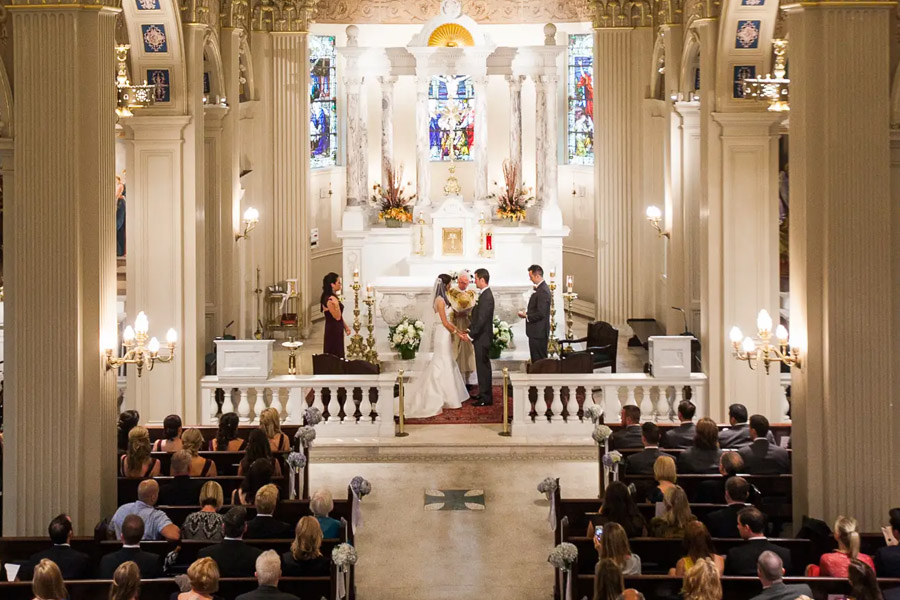
Catharine married Bertram Peter Cruger on 25 March 1802 at 22. Cruger, a Dutch West Indies and transatlantic merchant, fit the family’s mercantile mindset. They had a large brood and established Catharine among New York’s social elite with a scandal-free marriage.
New York City and the Hudson Valley were their main residences. Her adulthood coincided with New York’s commercial boom. Imported textiles, stylish salons, and dockside arrivals and departures characterized the Cruger household. John Church Cruger, her son, founded Cruger’s Island near Barrytown in Dutchess County, extending the family’s presence beyond the city into a pastoral estate that influenced future generations.
Selected Children
| Name | Lifespan | Notes |
|---|---|---|
| Eugene Cruger | 1803-1831 | Died relatively young; part of the Cruger sons who carried the family name forward in New York society. |
| Angelica Cruger | 1806-1886 | Named for her renowned grandmother; represented the matrilineal thread of Schuyler influence. |
| John Church Cruger | 1807-1879 | Of Cruger’s Island, Barrytown; married twice, including to Euphemia White Van Rensselaer; central to family landholding. |
| Elizabeth “Eliza” Cruger Pell | 1809-1846 | Married into the Pell family, knitting the Crugers to another rooted New York lineage. |
| Mary Anne or Ann Mary Cruger Glover | 1810 or 1811-1867 or 1880 | Variations in the record show how private lives leave uneven traces in public archives. |
| Henrietta Julia Cruger | 1815-1899 | Married first Jones, then Cruger; her long life traversed much of the 19th century. |
| Additional children | Various | Family totals indicate at least 3 sons and 6 daughters; records beyond the six named above are less publicly detailed. |
Kinship Networks: Schuyler, Van Rensselaer, and Beyond
Catharine’s identity is tied to early American elites’ kinships. Her maternal grandparents, General Philip Schuyler and Catherine Van Rensselaer, were influential Hudson Valley patroons. Catharine connected with Dutch-descended New York families like the Van Cortlandts. The Churches and Barkers, her father’s family, dominated business and banking rather than land.
Her siblings included:
- Philip Church (1778-1861), a public figure in his own right who helped extend the family’s stature after their return from Europe.
- John Barker Church Jr. (1781-1865), whose longevity spanned the long 19th century and the transformation of the young republic.
Crisscrossing marriages connected Catharine to the Pell, Glover, and Van Rensselaer families through her children and their spouses. Her descendants include Stephen Van Rensselaer Cruger and Alfred Pell, emblematic of the ongoing fusion of landholding, mercantile wealth, and social prestige.
Connections with Jefferson and Toussaint: Letters and Lifeways
Because Catharine attended Pentemont Abbey with Martha and Maria Jefferson, she kept in touch as an adult. Catharine wrote to Thomas Jefferson weeks after her marriage in April 1802, introducing her brother, demonstrating how young ladies of her class used letter writing to advance family finances and reputations.
Pierre Toussaint, a free Black New York hairdresser and philanthropist, was also in her social circle. His abilities and generosity earned him respect across class and race. Catharine was one of his clients and friends, revealing New York society’s fashion, compassion, and quiet respect in parlors and drawing rooms.
Finance, Household Influence, and Social Capital
Catharine never held public or professional office. She worked inside the invisible architecture of early American affluent houses. Her father’s wartime supply and banking fortune gave her security and expectation. Her husband’s trading connections brought commodities, news, and contacts from distant ports. Catharine oversaw familial, social visits, and epistolary links that brought cousins, allies, and opportunities together.
Catharine thrived in a society that judged women by their homes and children. She raised at least nine children, managed a burgeoning metropolis, and helped family travel across Atlantic and Hudson corridors. If the public record is scarce, private influence was high.
A Quiet Footprint in the Record
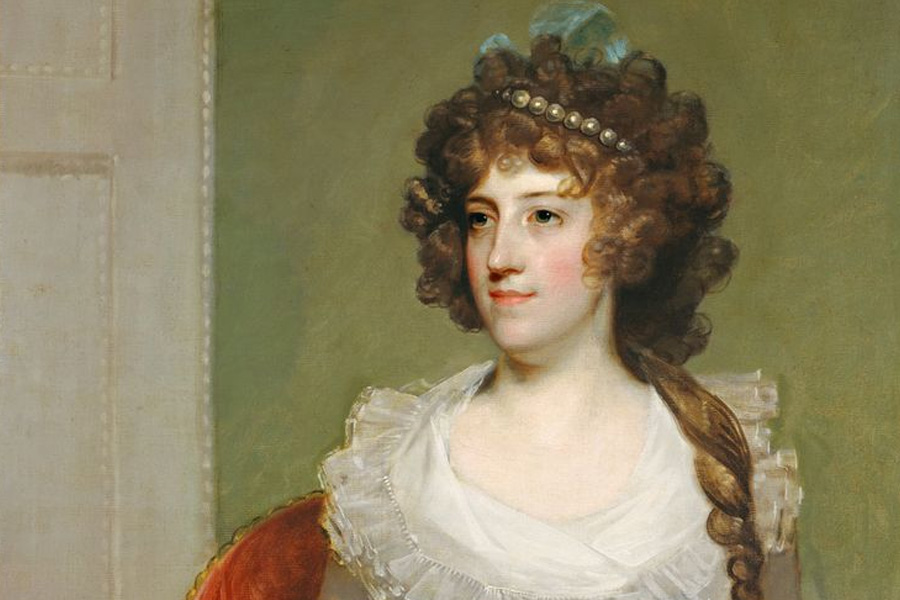
Catharine left no writings or portraits to immortalize her like her mother Angelica. A few letters appear in family papers. Family histories whisper of births, marriages, and early deaths. This silence has a story. Many women of her station created family fates behind reception room doors, in careful notes, and via face-to-face warmth that bonded social networks. Schuylers, Van Rensselaers, Churches, and Crugers weave Catharine’s memories into their tapestry.
Timeline
| Year | Event |
|---|---|
| 1779 | Born 4 November in Boston, Massachusetts. |
| 1780s | Lives in London and Paris during her parents transatlantic years. |
| Late 1780s to early 1790s | Educated at Pentemont Abbey in Paris with Martha and Maria Jefferson. |
| 1790s | Returns to the United States with her family and enters New York social life. |
| 1802 | Marries Bertram Peter Cruger on 25 March. |
| 1802 | Writes to Thomas Jefferson on 29 April introducing her brother. |
| 1803-1815 | Births of at least nine children, including Eugene, Angelica, John Church, Elizabeth, Mary Anne or Ann Mary, and Henrietta Julia. |
| 1810s-1830s | Household life centered in New York City, with growing ties to Dutchess County. |
| 1830s | Family identity increasingly connected to Cruger’s Island at Barrytown through her son John. |
| 1839 | Dies on 27 October in New York City. |
Family Snapshot
| Relation | Name and Dates | Notes |
|---|---|---|
| Father | John Barker Church, 1748-1818 | Merchant-banker, served as supplier to Continental and French armies. |
| Mother | Angelica Schuyler Church, 1756-1814 | Eldest daughter of Gen. Philip Schuyler; famed society figure. |
| Maternal grandparents | Gen. Philip Schuyler and Catherine Van Rensselaer | Anchors to the Schuyler and Van Rensselaer lines. |
| Paternal grandparents | Richard Church and Elizabeth Barker | English mercantile roots that fed transatlantic commerce. |
| Siblings | Philip Church, 1778-1861; John Barker Church Jr., 1781-1865 | Additional siblings may have died young or remain less documented. |
| Spouse | Bertram Peter Cruger, 1774-1854 | Merchant with Caribbean and English ties; later remarried after Catharine’s death. |
| Notable descendants | Stephen Van Rensselaer Cruger; Alfred Pell | Reflections of intermarriage with New York landed families. |
FAQ
Was Catharine Church Cruger a public figure?
No, she moved within elite social circles but held no public office or formal career.
Where was she born?
She is recorded as born in Boston on 4 November 1779, though some family accounts suggest a possible European birthplace tied to her parents travels.
How many children did she have?
At least nine, commonly noted as three sons and six daughters, though not all are well documented.
What is Cruger’s Island?
A family estate at Barrytown in Dutchess County, developed by her son John Church Cruger.
Did she have a portrait?
No widely documented portrait is known, and surviving personal writings are scarce.
What was her connection to Thomas Jefferson?
She attended school in Paris with his daughters and wrote to Jefferson in 1802 introducing her brother.
Who was Pierre Toussaint in her life?
He was a respected New York hairdresser and philanthropist who counted Catharine among his clients and friends.
When did she die?
She died on 27 October 1839 in New York City at about 59-60 years of age.