Basic Information
| Field | Detail |
|---|---|
| Full name | Ethel Barrymore Colt |
| Born | April 20, 1912 |
| Birthplace | Mamaroneck, New York (some records list April 30 or New York City) |
| Died | May 22, 1977 |
| Place of death | New York City |
| Age at death | 65 |
| Cause of death | Cancer |
| Occupations | Actress, soprano singer, producer |
| Active years | 1930 to 1977 |
| Family | Ninth generation of the Barrymore acting dynasty |
| Parents | Ethel Barrymore and Russell Griswold Colt |
| Siblings | Samuel Peabody Colt, John Drew Colt |
| Spouse | John Romeo Miglietta, married December 1, 1944 |
| Children | One son, John Drew Miglietta |
| Education | Notre Dame Convent, Moyland, Pennsylvania |
Early Life and Family Lineage
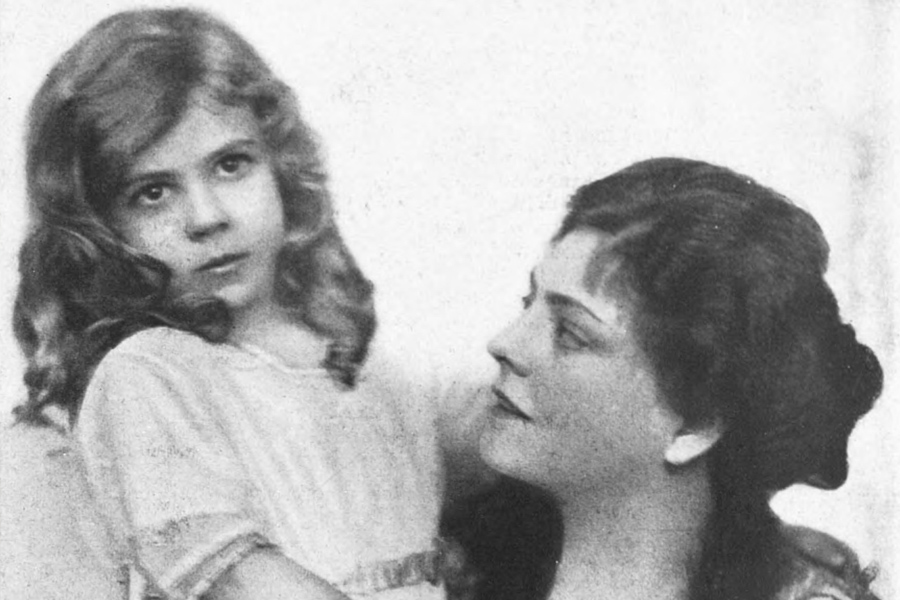
Ethel Barrymore Colt grew up where theater and heritage collided. She was the only daughter of Ethel Barrymore, the First Lady of American Theatre, and Russell Griswold Colt, a businessman from a wealthy industrial family tied to Colt weapons. Their 1909 marriage combined theatrical prestige and financial power, but their 1923 divorce split the family.
The Barrymores influenced her early on. My maternal uncles John and Lionel Barrymore were theater and screen giants. In the late 19th century, maternal grandparents Maurice Barrymore and Georgiana Drew started the trend, while great-grandmother Louisa Lane Drew ran a famous Philadelphia theater. Paternal figures like Samuel P. Colt and Elizabeth Mitchelson Bullock established wealth and law. She discovered how to make a reputation without drowning in applause for others under this dense canopy of theater lights and boardroom polish.
Stage and Concert Career
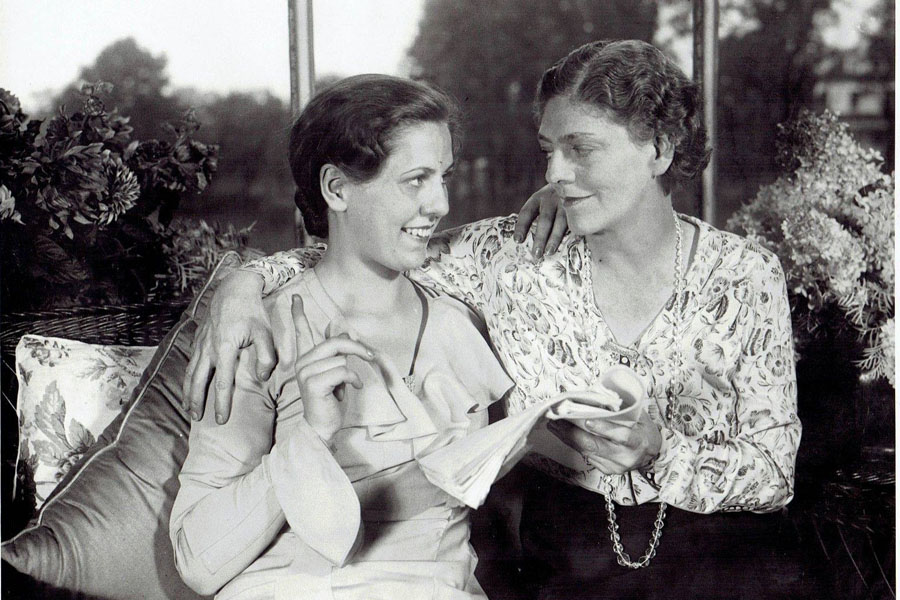
She debuted in Scarlet Sister Mary with her mother at 18 in 1930, a legendary debut. She returned to Broadway in George White’s Scandals in 1931 and switched to Under Glass in 1933, proving she could handle dazzling revues and drama. She performed at Whiteoaks in 1938, praised for her voice and personality.
A strong soprano carried her beyond straight plays. In the 1940s, 1950s, and 1960s, she performed over 100 performances in North and South America, requiring stamina and delicacy. She sang opera and operetta parts with New York City Opera and in The Merry Widow. Her style was lyric charm and classical grace, but she never lost her theatrical storytelling sensibility.
She returned to Broadway in Follies as Christine Crane in 1971, understudying lead roles. A late-career turn that emphasized skill over notoriety won peers over headlines. Many critics and coworkers called her a superb singer, actor, and producer. She climbed the family name’s mountains slowly and carefully.
Selected Timeline
| Year | Event |
|---|---|
| 1912 | Born April 20 in Mamaroneck, New York |
| 1923 | Parents divorce |
| 1930 | Stage debut in Scarlet Sister Mary with her mother |
| 1931 | Appears in George White’s Scandals on Broadway |
| 1933 | Performs in Under Glass |
| 1938 | Stars in Whiteoaks |
| 1944 | Marries John Romeo Miglietta on December 1 |
| 1940s to 1960s | Concert tours exceed 100 appearances across the Americas |
| 1950s to 1960s | Performs with New York City Opera and in operettas including The Merry Widow |
| 1971 | Returns to Broadway in Follies as Christine Crane and understudy |
| 1977 | Dies May 22 in New York City |
Family Tree Highlights
| Relative | Relationship | Life Dates | Notes |
|---|---|---|---|
| Ethel Barrymore | Mother | 1879 to 1959 | Stage icon, Academy Award winner |
| Russell Griswold Colt | Father | 1882 to 1960 | Businessman from Colt family |
| Samuel Peabody Colt | Brother | 1909 to 1986 | Actor with stage experience |
| John Drew Colt | Brother | 1913 to 1975 | Private profile relative to siblings |
| John Romeo Miglietta | Husband | 20th century | Business executive, married 1944 |
| John Drew Miglietta | Son | Post 1944 | Largely private life |
| Maurice Barrymore | Maternal grandfather | 1849 to 1905 | Actor, Barrymore patriarch |
| Georgiana Drew | Maternal grandmother | 1856 to 1893 | Comedienne |
| Samuel P. Colt | Paternal grandfather | 1852 to 1921 | Lawyer and industrialist |
| Elizabeth Mitchelson Bullock | Paternal grandmother | 1858 to 1935 | From a prominent family |
| John Barrymore | Maternal uncle | 1882 to 1942 | Hollywood star, The Great Profile |
| Lionel Barrymore | Maternal uncle | 1878 to 1954 | Actor and director, Academy Award winner |
| Louisa Lane Drew | Maternal great-grandmother | 1820 to 1897 | Theatre manager, family matriarch |
| William Edward Blythe | Maternal great-grandfather | 19th century | Early link in Barrymore line |
| Theodora Goujaud DeWolf | Extended kin | 18th to 19th century | Ancestral connection cited in family trees |
Artistic Identity and Legacy
Colt’s art was centered on opera and operetta. Some performers seek fame, but she values persistence, skill, and breadth. English-speaking, she sang with smooth legato and blended classical and theatrical timing. This combination fit smaller venues, recital halls, and ensemble-driven shows where quality trumps dazzle.
The lack of financial information regarding her career reflects a career based on appearances rather than box-office success. Barrymore’s brand was powerful but double-edged. Ethel Barrymore Colt didn’t try to surpass her mother’s legacy. She found a music-drama intersection and stayed there for decades.
Work Across Stage, Opera, and Concerts
Numbers shape the path. Over 100 concerts include art song, operetta, and opera excerpts. Her New York City Opera roles were rigorous, yet productions like The Merry Widow permitted brightness and effervescent phrasing. Back on Broadway, her 1930s credits grew, interrupted by casting and taste issues. She had decades of stage experience before she entered Follies in 1971.
She also produced, showing she wanted to mold the frame as well as stand in it. These credits are scarce, but the producer’s vision sharpens an artist’s sense of pace, musical balance, and audience response.
Personal Life and Privacy
She married business executive John Romeo Miglietta on December 1, 1944. The couple had one kid, John Drew Miglietta, and kept their private lives quiet. Samuel and John, brothers, pursued arts-related careers without the family’s prominence. Colt handled family and work carefully, as shown by her constant yet quiet public profile.
Later Years and Passing
Her 1971 Follies performance marked a seasoned performer returning to Broadway, nevertheless intrigued and willing to support a production as principal or standby. Her musical career lasted until the 1970s. At 65, she died of cancer at home in New York City on May 22, 1977.
As decades passed, her name appeared less in retrospectives than her mother’s or uncles’. Family histories and theatre chronicles still praise her as a talented performer who kept Barrymore’s light shining in concert halls and opera houses. Social media revives her image in archive images and family trees, showing that quiet legacies may last.
FAQ
Who was Ethel Barrymore Colt?
She was an American actress, soprano singer, and producer, and a ninth-generation member of the Barrymore acting family.
When and where was she born?
She was born April 20, 1912, in Mamaroneck, New York.
What are her most notable stage appearances?
Key credits include Scarlet Sister Mary in 1930, George White’s Scandals in 1931, Whiteoaks in 1938, and Follies in 1971.
Was she related to firearms magnate Samuel Colt?
Yes, through her paternal line she was connected to the Colt family associated with the firearms enterprise.
Did she perform opera as well as theater?
Yes, she sang with the New York City Opera and performed operettas, including The Merry Widow.
How extensive were her concert tours?
She gave more than 100 concerts across the Americas from the 1940s through the 1960s.
Did she have children?
Yes, she had one son, John Drew Miglietta.
When did she die and what was the cause?
She died in New York City on May 22, 1977, at age 65, from cancer.
Did she win major awards?
No major awards are recorded, though she was frequently praised for her versatility and talent.